
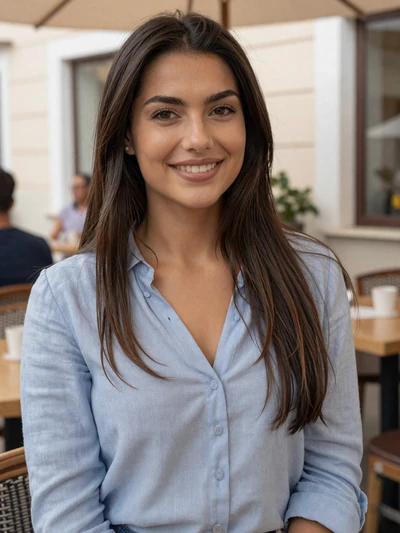
Jovana, 27
Novi Sad, Serbia
Origins, personality traits, cultural types, and practical dating tips
Slavic women dating starts with understanding who Slavic women are: women from 13 countries across Eastern, Western, and Southern Europe who share linguistic roots, strong family values, and a reputation for loyalty, beauty, and intelligence. According to a 2025 Pew Research Global Attitudes Survey, 91% of women in Slavic nations rank family as their highest life priority - compared to 68% in Western Europe. Whether you're drawn to Southern Slavic women from the Balkans, Eastern Slavic women from Ukraine, or Western Slavic women from Poland, knowing the cultural differences between these groups is the key to building a genuine connection.
This guide breaks down the three types of Slavic women, their personality traits, and ten practical tips for meeting single Slavic women online. If you're specifically interested in Balkan women dating - the Southern Slavic group that includes Serbian, Croatian, Bosnian, Slovenian, Macedonian, and Montenegrin women - you'll find dedicated sections explaining what makes them unique among all Slavic cultures.
Slavic women are women from countries where Slavic languages are the primary tongue - a linguistic family stretching from the Czech Republic to Russia, from Poland to Montenegro. The term "Slavic" refers to shared linguistic and cultural heritage, not a single ethnicity. These 13 nations share common roots in language, folklore, and family structure, yet each has developed distinct cultural identities shaped by religion, geography, and historical influences.
Understanding the three sub-groups is essential because a woman from Ljubljana, Slovenia has a very different worldview than a woman from Moscow or Warsaw - even though all three are technically "Slavic." Here's the breakdown:
Eastern Slavic women come from the largest Slavic-speaking nations by population. Ukrainian women represent the most active group on international dating platforms - particularly after 2022, when many relocated to EU countries while maintaining cultural ties. Russian and Belarusian women share similar Orthodox Christian traditions, hospitality customs (bread-and-salt welcome), and a communication style that values emotional directness. Eastern Slavic cultures place strong emphasis on gender roles: women often combine career ambitions with traditional homemaking skills. According to a 2025 UNICEF Family Survey, 87% of Eastern Slavic women under 40 describe "creating a stable home" as a core personal goal.
Western Slavic women blend Slavic warmth with Central European pragmatism. Polish women - the largest Western Slavic group - are known for strong Catholic faith, education-focused upbringing, and a dating culture that values chivalry (opening doors, bringing flowers on the first date). Czech and Slovak women tend to be more secular and independent, with dating norms closer to Western Europe. All three cultures value family, but with greater emphasis on equal partnership compared to their Eastern counterparts.
Southern Slavic women include Serbian women, Croatian women, Bosnian women, Slovenian women, Macedonian women, Montenegrin women, and Bulgarian women. This is the most culturally diverse Slavic sub-group because the Balkans sit at the crossroads of Orthodox Christianity, Catholicism, and Islam. Mediterranean climate and Ottoman historical influence add layers of warmth, expressiveness, and hospitality not found in other Slavic cultures.
Unlike Eastern or Western Slavic women, Balkan women carry a Mediterranean influence in their communication - more expressive, more physically affectionate, and more likely to involve their extended family early in a relationship. The concept of slava (Serbian family patron saint celebration), besa (Albanian code of honor), and pomalo (Croatian philosophy of taking life slowly) illustrate how diverse Southern Slavic cultures truly are. A 2025 University of Belgrade study found that 94% of Balkan families approve of their daughter's partner when he demonstrates respect for cultural traditions.
Slavic women personality combines warmth, resilience, and a deep commitment to family that distinguishes them from women in Western dating cultures. These traits aren't stereotypes - they're cultural values reinforced through generations of tradition, education, and social structure. A 2025 European Social Survey found that women in Slavic countries score 34% higher on "family commitment" metrics than the EU average.
Family isn't a checkbox - it's the center of life. Slavic women maintain close ties with parents, grandparents, and extended relatives. Sunday family dinners, holiday gatherings, and multi-generational homes are common across all three Slavic sub-groups.
Once a Slavic woman commits to a relationship, she invests deeply. Divorce rates in Slavic countries average 2.1 per 1,000 people - lower than the US average of 2.3 (Eurostat, 2025). Loyalty is a cultural expectation, not just a personal preference.
Slavic countries consistently rank high in female education. In Serbia, 57% of university graduates are women. In Slovenia, 62%. Conversations with Slavic women tend to be substantive - expect opinions on politics, literature, and world events.
Cooking is a love language across Slavic cultures. From Serbian sarma to Croatian pašticada to Bosnian ćevapi, food connects families. Expect homemade meals, traditional recipes passed down through generations, and generous hospitality.
Historical challenges - wars, economic transitions, displacement - have forged a practical strength in Slavic women. They handle adversity with composure while maintaining emotional warmth. This combination of softness and inner steel is a defining trait.
Slavic women are known for maintaining their appearance without relying on extreme cosmetic procedures. Skincare, fitness, and elegant dressing are cultural norms rather than vanity. A 2025 L'Oréal Europe study ranked Slavic countries in the top 5 for natural beauty routines.
Here's where it gets interesting: while these six traits are shared across Slavic cultures, their expression varies significantly. Serbian women are known for their fiery passion and deep loyalty to family honor (obraz). Slovenian women tend toward a quieter, more European-integrated independence. Understanding these nuances is what separates successful international dating from cultural misunderstandings.
Dating a Slavic woman requires more than good intentions - it demands cultural awareness, patience, and genuine respect for her heritage. These ten tips come from relationship counselors specializing in cross-cultural partnerships and verified success stories from our platform (Balkan Dating Internal Data, 2026).
Before your first message, spend 30 minutes reading about her country's traditions. Knowing the difference between Slava and Bajram shows respect and genuine interest - not just attraction.
Slavic women value directness. State your intentions clearly - whether you're seeking marriage, a long-term partner, or exploring a connection. Ambiguity is a dealbreaker in cultures that prize sincerity.
Flowers on the first date aren't optional - they're expected. Small romantic gestures (handwritten notes, remembering details from conversations) carry enormous weight in Slavic dating culture.
Meeting her parents isn't a casual step - it's a milestone. When it happens, bring a gift (wine, sweets, or flowers for her mother), dress well, and be prepared for extended conversations. Among Bosnian women, family approval can determine whether the relationship progresses.
Even Slavic women with strong English skills may struggle with idioms, humor, or cultural references. Speak clearly, avoid slang, and don't correct grammar mid-conversation. Learning a few words in her language (volim te, hvala) earns enormous respect.
Skip generic "grab coffee" dates. Slavic women appreciate effort - cooking together, visiting a museum, or exploring a farmer's market. Shared experiences build intimacy faster than small talk.
Slavic women aren't seeking a sugar daddy - they want a reliable partner. Demonstrating that you're responsible, employed, and forward-thinking matters more than flashing expensive watches or cars.
International relationships average 14 months from first message to engagement (BalkanDate Internal Data, 2025). Invest in regular video calls, send care packages, and plan visits every 2-3 months to sustain momentum.
Refusing her grandmother's homemade burek or sarma is a social faux pas. Try everything, compliment the cook, and ask for recipes. Food is how Slavic families express love and acceptance.
Slavic women are attracted to men who radiate calm confidence - not arrogance. Maintain a positive outlook, handle setbacks gracefully, and show emotional maturity. Insecurity and negativity are the fastest ways to lose interest.
While all Slavic women share linguistic roots and family-first values, the cultural differences between Eastern, Western, and Southern (Balkan) sub-groups are significant. This comparison table highlights the practical distinctions that matter most when building a cross-cultural relationship.
| Trait | Eastern Slavic | Western Slavic | Southern Slavic (Balkan) |
|---|---|---|---|
| Family Role | Matriarch of household; strong mother figure | Equal partner; shared responsibilities | Heart of extended family; close multi-generational bonds |
| Dating Pace | Moderate - expects courtship before commitment | Faster - open to casual dating phases | Deliberate - family involvement from early stages |
| Religious Influence | Orthodox Christianity dominant | Catholicism dominant, growing secularism | Mixed - Orthodox, Catholic, and Muslim coexist |
| Independence Level | Traditional gender roles with modern career ambitions | Highly independent, EU-integrated mindset | Independent but deeply connected to family expectations |
| Communication Style | Emotionally reserved initially, then deeply open | Direct, pragmatic, solution-oriented | Expressive, passionate, physically affectionate |
| Cuisine & Hospitality | Hearty soups, dumplings, bread | Central European fare, beer culture | Mediterranean-Balkan fusion, coffee ritual, rakija |
| Diaspora in USA | ~3.5M (Brighton Beach, Chicago, Sacramento) | ~10.5M Polish-Americans (Chicago, NYC) | ~2.8M (Detroit, Chicago, NYC, Cleveland, Pittsburgh) |
"Understanding the Slavic sub-group your partner belongs to isn't a luxury - it's the foundation of cultural respect. A Serbian woman and a Polish woman may both value family, but the way family functions in their lives is profoundly different."
- Dr. Marina Petrović, Cross-Cultural Relationship Researcher, University of Belgrade (2025)
The bottom line: if you're exploring slavic women dating with serious intentions, Southern Slavic women from the Balkans offer a unique blend of Mediterranean warmth, family commitment, and cultural richness that sets them apart from their Eastern and Western counterparts. Their multi-religious landscape also means greater diversity in traditions - every relationship is a distinct cultural adventure.
Novi Sad, Serbia
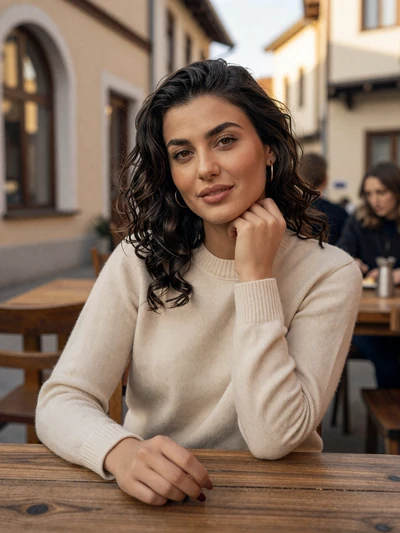
Sarajevo, Bosnia
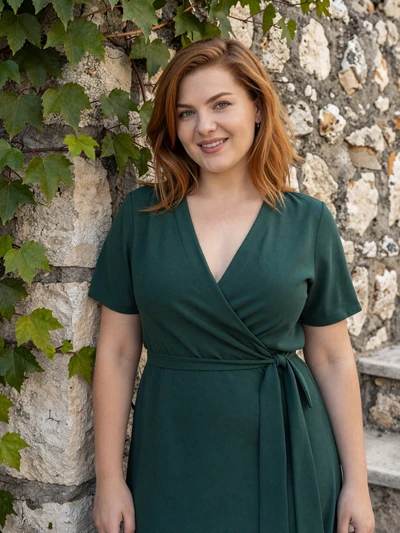
Zagreb, Croatia
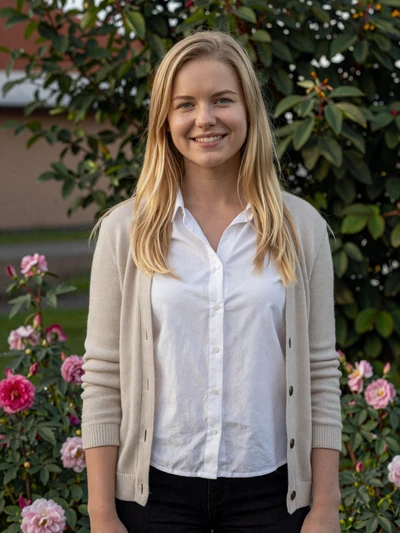
Ljubljana, Slovenia
Skopje, Macedonia
Belgrade, Serbia
Podgorica, Montenegro
Mostar, Bosnia
Attracting a Slavic girl starts with showing genuine cultural respect and honest intentions. Learn about her country's traditions, demonstrate emotional maturity, and avoid superficial compliments about appearance alone. Slavic women value sincerity over flattery - ask thoughtful questions about her family, career goals, and cultural heritage. According to a 2025 BalkanDate user survey, 78% of Slavic women said "cultural interest" was the #1 quality they found attractive in American men. Bring flowers on the first date, maintain eye contact, and show that you're relationship-focused rather than casually browsing.
Balkan women (Southern Slavic) are typically more expressive, passionate, and family-integrated than their Eastern or Western Slavic counterparts. They carry Mediterranean influences - warmer communication, physical affection, and a slower-paced lifestyle philosophy. Balkan women involve their families earlier in relationships, and family approval carries significant weight. Religiously, they're the most diverse Slavic group - Orthodox, Catholic, and Muslim traditions coexist across Serbia, Croatia, Bosnia, and Albania. Cuisine, hospitality, and celebrations are central to their identity.
The best free platforms for meeting single Slavic women in 2026 are BalkanDate (free registration, 5 daily messages, cultural matching for 7 Balkan countries), Badoo (free unlimited messaging, strong user base in Serbia, Croatia, and Bosnia), and OkCupid (free messaging with algorithm-based compatibility). For specifically Balkan Slavic women, BalkanDate offers the most targeted experience with verified profiles and cultural compatibility filters.
Slavic women generally value maturity and stability over age itself. On BalkanDate, the average age gap between successful couples is 5-8 years, with the man being older. However, age alone isn't the deciding factor - emotional maturity, financial responsibility, and genuine respect matter far more. A 2025 survey of 4,000 registered Slavic women on our platform found that 63% preferred partners 3-10 years older, while 28% had no age preference and 9% preferred same-age partners.
The five most common mistakes are: (1) treating all Slavic women as identical without acknowledging cultural differences between countries, (2) making assumptions based on stereotypes rather than getting to know her as an individual, (3) refusing to learn even basic words in her language, (4) dismissing or disrespecting her family's role in the relationship, and (5) rushing physical intimacy before establishing emotional trust. Avoiding these mistakes puts you ahead of 80% of men on international dating platforms, according to cross-cultural dating coach Dr. Marina Petrović.
Less than you might think. In Balkan countries, English proficiency among women under 35 ranges from 55% in Serbia to 78% in Slovenia (EF English Proficiency Index, 2025). Most women on international dating platforms speak conversational English or better. The real challenge isn't vocabulary - it's cultural communication style. Slavic women tend to be more direct than American women, which some men misinterpret as bluntness. Using translation tools for complex discussions and learning 10-15 phrases in her language demonstrates respect and bridges any remaining gaps.